
 Kontakt
 Kako nakupovati
Dostava
Svetovalec pri nakupu
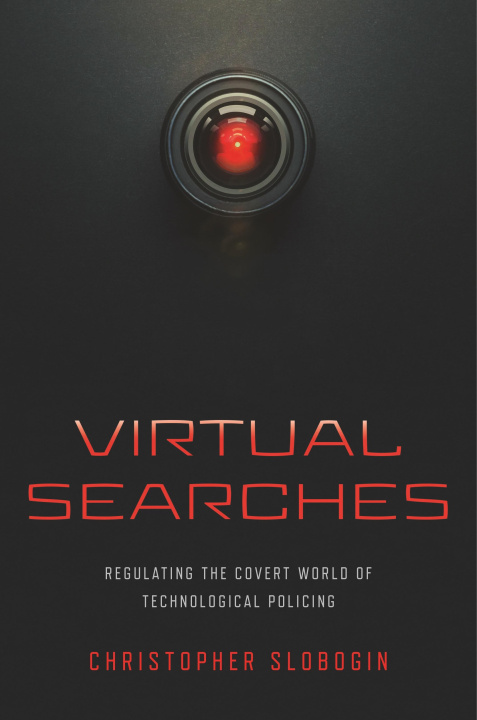
Virtual Searches
 Angleščina
 67 b
67 b
Do 30 dni za vračilo
Drugi so kupili tudi






Choice Outstanding Academic Title 2023
A close look at innovations in policing and the law that should govern them
A host of technologies-among them digital cameras, drones, facial recognition devices, night-vision binoculars, automated license plate readers, GPS, geofencing, DNA matching, datamining, and artificial intelligence-have enabled police to carry out much of their work without leaving the office or squad car, in ways that do not easily fit the traditional physical search and seizure model envisioned by the framers of the Constitution. Virtual Searches develops a useful typology for sorting through this bewildering array of old, new, and soon-to-arrive policing techniques. It then lays out a framework for regulating their use that expands the Fourth Amendment's privacy protections without blindly imposing its warrant requirement, and that prioritizes democratic over judicial policymaking.
The coherent regulatory regime developed in Virtual Searches ensures that police are held accountable for their use of technology without denying them the increased efficiency it provides in their efforts to protect the public. Whether policing agencies are pursuing an identified suspect, constructing profiles of likely perpetrators, trying to find matches with crime scene evidence, collecting data to help with these tasks, or using private companies to do so, Virtual Searches provides a template for ensuring their actions are constitutionally legitimate and responsive to the polity.


O knjigi
Angleščina
Kategorije

Podarite to knjigo še danes
To je povsem preprosto
1 Dodajte knjigo v košarico in izberite dostavo kot darilo 2 V zameno vam bomo poslali kupon 3 Knjiga bo dostavljena na naslov obdarovancaMorda bi vas zanimalo tudi



Pozdravljeni! Sem Libroamiko, vaš knjižni svetovalec.
Kako vam lahko pomagam?