
 Kontakt
 Kako nakupovati
Dostava
Svetovalec pri nakupu
 Angleščina
 99 b
99 b
 Novo
Novo
Do 30 dni za vračilo

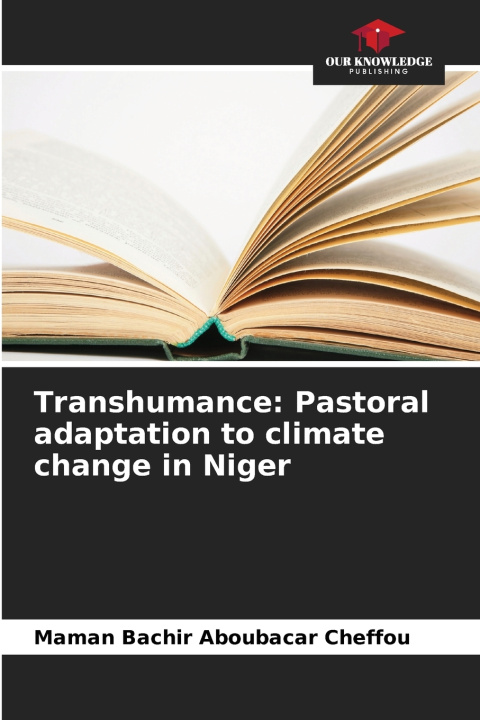
Niger is a Sahelian country where the predominantly rural population relies on agriculture for its livelihood. Livestock farming is the country's second largest economic activity. In the aftermath of independence, livestock farming accounted for over 20% of the national Gross Domestic Product. Following the droughts of 1973 and 1984, this share fell by half between 1961 and 2000. Livestock numbers, the main factor of production, have declined considerably. In response to these crises, which revealed profound climate changes, the government has implemented sector-specific measures to improve animal health and pastoral water management. Pastoralist communities, for their part, have developed adaptive strategies to survive shortages of fodder and water for their livestock. Thus, through mobility, transhumance has provided a genuine lifeline during periods of scarcity. This reveals the essence of sustainable development in Niger's transhumant pastoral sector, where herders and their animals might find some security amidst the great uncertainty of the unpredictability that governs climate forecast models for the coming years.


O knjigi
Angleščina
Kategorije

Podarite to knjigo še danes
To je povsem preprosto
1 Dodajte knjigo v košarico in izberite dostavo kot darilo 2 V zameno vam bomo poslali kupon 3 Knjiga bo dostavljena na naslov obdarovancaPozdravljeni! Sem Libroamiko, vaš knjižni svetovalec.
Kako vam lahko pomagam?