
 Kontakt
 Kako nakupovati
Dostava
Svetovalec pri nakupu
 Angleščina
 42 b
42 b
Do 30 dni za vračilo

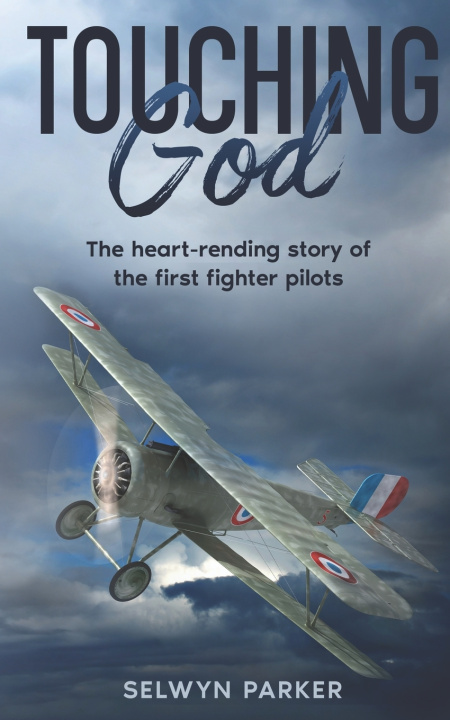
In World War One pilots fought duels high in the sky, dodging in and out of clouds as they sought an opening in the enemy's defence. At first they flew rickety planes made of little more than wood and fabric and they had only rifles for weapons. But as the air war progressed, they sat in sleek all-metal aircraft that could drop onto the enemy from a great height at speeds of up to four hundred kilometres an hour and their machine guns could pour a river of bullets straight into the cockpit. The public on both sides revered the highest-scoring fighter pilots who were awarded the unofficial title of "aces". The greatest of them were showered with medals. On leave the French pilots, in particular, swaggered up and down the Champs-Elysees in tight-fitting tailor-made uniforms while police turned a blind eye to their high-speed chases through the boulevards in powerful sports cars donated by grateful aircraft manufacturers. The heavy drinking and high-jinks were a means of escape from the terrible tensions and constant fear of daily combat in the skies. As more and more pilots hit the skies, pouring in from the United States and from all over the British Empire, the frequency of dogfights increased in the last years of the conflict. And so did the death toll. Few of the aces survived. Those that did were never the same again. And yet in the years leading up to the war, aviation was conducted with a sense of joy as men and women all over Europe risked their lives to escape the confines of the earth and enter the heady domain of the clouds. Up there, they said, they were "touching God". All too soon though, they were confronting Hell.


O knjigi
Angleščina
Kategorije

Podarite to knjigo še danes
To je povsem preprosto
1 Dodajte knjigo v košarico in izberite dostavo kot darilo 2 V zameno vam bomo poslali kupon 3 Knjiga bo dostavljena na naslov obdarovancaPozdravljeni! Sem Libroamiko, vaš knjižni svetovalec.
Kako vam lahko pomagam?