
 Kontakt
 Kako nakupovati
Dostava
Svetovalec pri nakupu
The Outrage Machine
How Algorithms Hijacked Democracy - and How Citizens Can Take It Back
 Angleščina
 30 b
30 b
30 dni za vračilo blaga

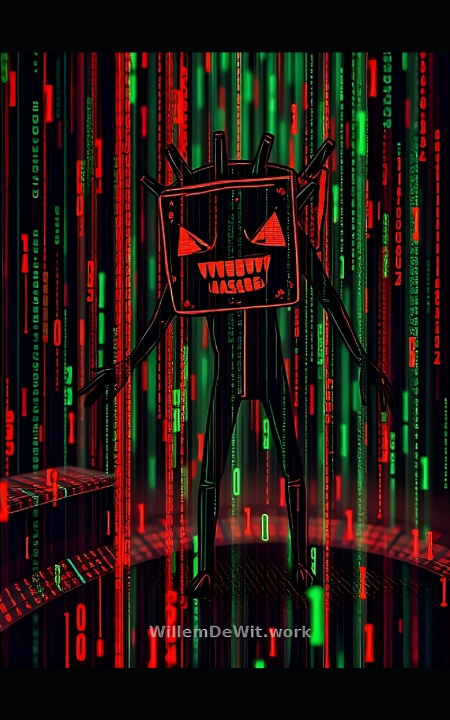
In The Outrage Machine, Willem DeWit delivers a lucid, unsentimental diagnosis of the twenty-first century's defining political disease: the automation of emotion.
Across continents and timelines, he traces how algorithms-built to optimize attention, not truth-have turned outrage into the central fuel of modern politics.
This is not another tech panic. It's a systems analysis of democracy's nervous breakdown.
Drawing on neuroscience, anthropology, and political history, DeWit shows how digital platforms rewired our emotional circuitry, monetized moral fury, and dissolved the shared tempo that made collective reasoning possible.
The result is an attention economy that functions like a casino: addictive, rigged, and profitable for those who design it. Democracies, built for patience and debate, now operate at machine speed. The loudest emotions win; the calmest truths drown.
But The Outrage Machine is not a eulogy. It's a repair manual.
DeWit outlines seven forms of civic resilience that can help societies adapt without surrendering their humanity:
Algorithms as Populists - how emotion engines mimic demagogues and how democracies can outsmart them through transparency and design.
Viruses of the Mind - why falsehoods spread faster than facts and how citizens can build cultural immunity.
The Lost Art of Slowness - why delay and deliberation are democracy's true defenses.
Public Squares, Not Private Casinos - a blueprint for digital commons that treat attention as a public good.
Emotional Fitness for Citizens - training the body, not just the brain, to resist manipulation.
Turning Echo Chambers into Campfires - how small, story-driven communities can rebuild trust.
Beyond the Machine - bridging the divide between elites and populist anger without moral collapse.
Through vivid case studies-from Finland's media-literacy programs to Taiwan's humor-based defenses against disinformation-DeWit reveals that civic resilience is cultural before it is legal or technological. The next democratic revolution will not come from code, but from emotion trained for reflection instead of reaction.
Written in the concise, unsparing prose that defines DeWit's cultural systems work (We Are the Loops, The Recursive Universe), this book connects political dysfunction to the deeper mechanics of feedback, attention, and emotional synchronization. It argues that democracy's survival depends on reclaiming the very traits the machine cannot replicate: slowness, humor, curiosity, and the willingness to stay human amid acceleration.
The Outrage Machine is a field guide for citizens who refuse to be programmed-an invitation to redesign democracy's emotional infrastructure before it burns out completely.
Key themes: algorithmic populism, attention economics, outrage loops, civic emotion, digital governance, and the psychology of democracy.
Provocative, data-literate, and deeply humane, this is a book for readers who sense that our politics have become performative, our institutions exhausted, and our collective mind trapped in feedback. DeWit doesn't preach reform; he maps survival-showing how the smallest acts of pause, laughter, and local connection can still disrupt a global machine.
Freedom begins in milliseconds-the space between trigger and response.


O knjigi
Angleščina
Kategorije

Podarite to knjigo še danes
To je povsem preprosto
1 Dodajte knjigo v košarico in izberite dostavo kot darilo 2 V zameno vam bomo poslali kupon 3 Knjiga bo dostavljena na naslov obdarovancaPozdravljeni! Sem Libroamiko, vaš knjižni svetovalec.
Kako vam lahko pomagam?