
 Kontakt
 Kako nakupovati
Dostava
Svetovalec pri nakupu
 Angleščina
 55 b
55 b
 Novo
Novo
Do 30 dni za vračilo

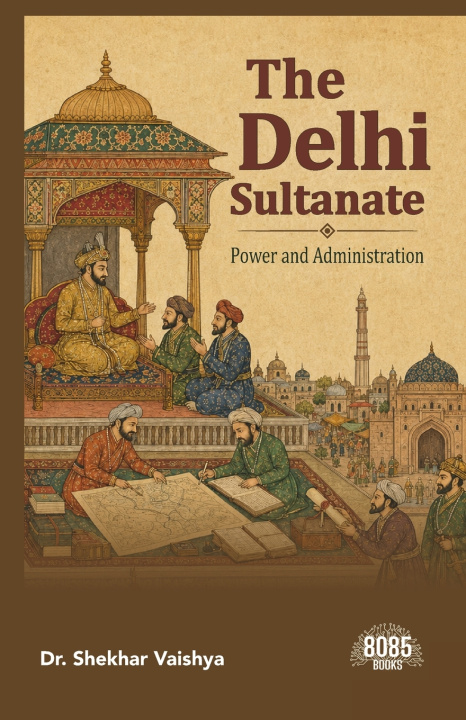
For more than three centuries, a dynasty of Turkish, Afghan and Persianate rulers governed from Delhi over a subcontinent they had entered as outsiders. The question this book asks is not how they arrived, but how they ruled - and why the apparatus they built eventually failed them.
It opens on the frontier, where raid and settlement blurred into one another and the campaigns launched from Ghazni set the terms of everything that followed. It then traces the passage from conquest to consolidation, and the long unravelling that followed: succession crises, provincial revolts and fiscal strains that hollowed the Sultanate out from the centre.
The second half turns from event to structure - the diwan, the iqta, revenue assessment and provincial control; the architecture that gave the new order a language in stone; the uneven encounter between Islamic and Indic religious life; and the courtly culture that emerged from it.
Key Features
● Sustained analysis of Sultanate administration, revenue systems and provincial governance.
● Extended treatment of decline and its structural causes.
● Dedicated chapters on architecture and cultural life.
● Measured account of religious encounter and accommodation.
● Chapter-wise organisation suited to study and revision.
Who this book is for
Ideal for students of history at undergraduate and postgraduate level, UGC-NET and civil services aspirants, and general readers seeking a serious, institution-focused account of the period.
Table of Contents
1. The Islamization Campaign of the Indian Frontier
2. Muslim Conquest in the Indian Subcontinent
3. Ghazni: The Forgotten Expedition
4. Foundations of Delhi Sultanate
5. Decline of the Delhi Sultanate
6. Sultanate Architecture
7. The Sultanate's Bureaucratic Framework
8. The Interaction of Islam and Hinduism
9. Cultural Life in Sultanate India


O knjigi
Angleščina
Kategorije
