
 Kontakt
 Kako nakupovati
Dostava
Svetovalec pri nakupu
 Angleščina
 33 b
33 b
 Novo
Novo
Do 30 dni za vračilo

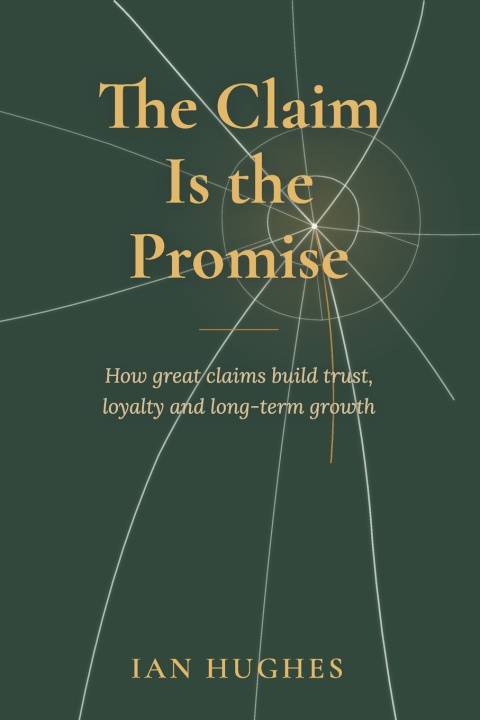
Every insurance policy is a promise. The claim is where it is kept, or broken.
Insurance is the only everyday purchase you cannot test before you need it. You pay now for a promise redeemed later, at what may be the worst moment of your year. Yet most insurers manage that moment as a cost to be contained, and measure everything about it except the thing that decides whether the customer stays.
Ian Hughes spent his career on the other side of that divide, building insurance brands and shaping the promises they make. The claim was the one place his work could never reach. This book is what he found when he finally went there.
Drawing on six years of independent claimant tracking, covering more than 150,000 motor and home customers and over 30,000 real claims, The Claim Is the Promise shows what actually happens at the moment an insurer is asked to do what it said it would.
Among the findings:
- Paying the claim is the price of entry, not the prize. Almost every claim is paid. What separates insurers is how, and who the customer discovers them to be while they do it.
- A claim that goes merely "fine" costs almost as much loyalty as one that goes badly. The quiet middle, the customers who never complain and never review, is where more of the book leaks away than through the angry tail.
- A good claim is the most powerful retention event an insurer will ever have, worth more than loyalty schemes, retention discounts and win-back campaigns put together, and its value can be priced on a single sheet of paper with your own numbers.
- The instruments the industry trusts, acceptance rates, complaints, post-claim surveys, were never built to see any of this. Some of your most damaged customers never appear in your numbers at all.
- And the machine now arriving does not settle the old argument between efficiency and care in favour of efficiency. As AI absorbs the process, the human moments in a claim become the scarce thing, and the leaders who understand that will own the next decade of this market.
Written for chief executives, claims and marketing leaders, regulators and investors, and readable on a single flight, The Claim Is the Promise makes the case for treating the claim as what it has always been: not the cost of the product, but the product itself.
Read it, then leave it on the desk of the person who runs pricing.


O knjigi
Angleščina

Podarite to knjigo še danes
To je povsem preprosto
1 Dodajte knjigo v košarico in izberite dostavo kot darilo 2 V zameno vam bomo poslali kupon 3 Knjiga bo dostavljena na naslov obdarovancaPozdravljeni! Sem Libroamiko, vaš knjižni svetovalec.
Kako vam lahko pomagam?