
 Kontakt
 Kako nakupovati
Dostava
Svetovalec pri nakupu
 Angleščina
 79 b
79 b
30 dni za vračilo blaga

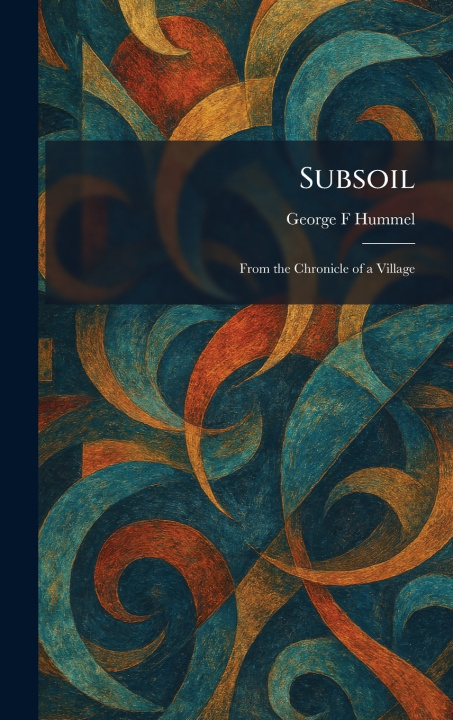
"Subsoil: From the Chronicle of a Village" is a poignant exploration of rural life in early twentieth-century America. Through a series of interconnected sketches and stories, George F. Hummel captures the essence of a small village community, delving beneath the surface of everyday existence to reveal the complex motivations, joys, and tragedies of its inhabitants. The narrative serves as a vivid chronicle of a changing social landscape, focusing on the laborers, farmers, and families whose lives are inextricably linked to the land they cultivate.
With a keen eye for detail and a mastery of regional realism, Hummel portrays the human condition through the lens of local tradition and personal struggle. The work explores themes of endurance, the passage of time, and the deep-seated tensions that ripple through a tight-knit society. As a significant piece of American literature, "Subsoil" offers readers an authentic and unsentimental glimpse into the metaphorical subsoil of human experience within a traditional village setting. This collection remains a valuable document of the American spirit and the enduring legacy of small-town life.
This work has been selected by scholars as being culturally important, and is part of the knowledge base of civilization as we know it. This work was reproduced from the original artifact, and remains as true to the original work as possible. Therefore, you may see the original copyright references, library stamps (as most of these works have been housed in our most important libraries around the world), and other notations in the work.
This work is in the public domain in the United States of America, and possibly other nations. Within the United States, you may freely copy and distribute this work, as no entity (individual or corporate) has a copyright on the body of the work.
As a reproduction of a historical artifact, this work may contain missing or blurred pages, poor pictures, errant marks, etc. Scholars believe, and we concur, that this work is important enough to be preserved, reproduced, and made generally available to the public. We appreciate your support of the preservation process, and thank you for being an important part of keeping this knowledge alive and relevant.


O knjigi
Angleščina
