
 Kontakt
 Kako nakupovati
Dostava
Svetovalec pri nakupu
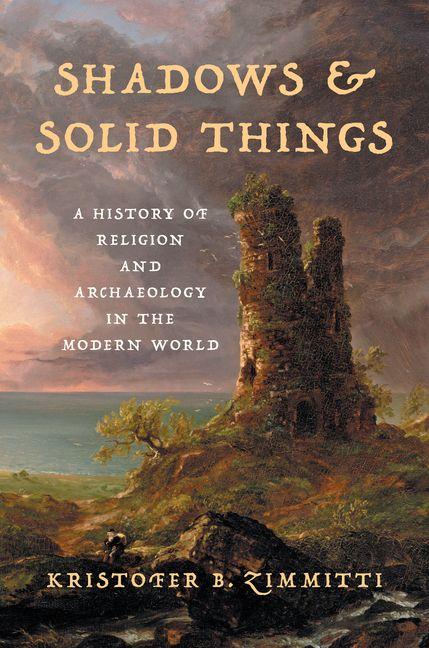
Shadows and Solid Things
 Angleščina
 78 b
78 b
 Kmalu
Kmalu
 Novo
Novo
 Izdaje 24. 11. 2026
30 dni za vračilo blaga

Archaeology began in an era when many people read ancient religious texts literally, believing that what was described on the page corresponded to a material reality that existed beneath the soil. With a shovel in one hand and a sacred text in the other, early archaeologists sought confirmation in concrete evidence. In the process, they opened themselves to the disturbing possibility that they would find nothingor, perhaps even more unsettling, discover evidence that would challenge their cherished beliefs.
Using accounts of excavations in Italy, Egypt, Iraq, and Palestine, Kristofer B. Zimmitti explores the tensions between science and religion, faith and reason. As archaeology grew more popular during the eighteenth and nineteenth centuries, excavations from Herculaneum to Babylon and discoveries such as the Moabite Stone transformed the modern understanding of the ancient past for Protestants, Catholics, Jews, Muslims, and Latter-day Saints. While some archaeological findings confirmed the truth of ancient texts, others threatened to overturn them. Rather than abandon or question their faith, many believers kept digging. When the dust of excavation had settled, todays religious world had been forged.


O knjigi
Angleščina
Kategorije
