
 Kontakt
 Kako nakupovati
Dostava
Svetovalec pri nakupu
 Angleščina
 32 b
32 b
 Novo
Novo
30 dni za vračilo blaga

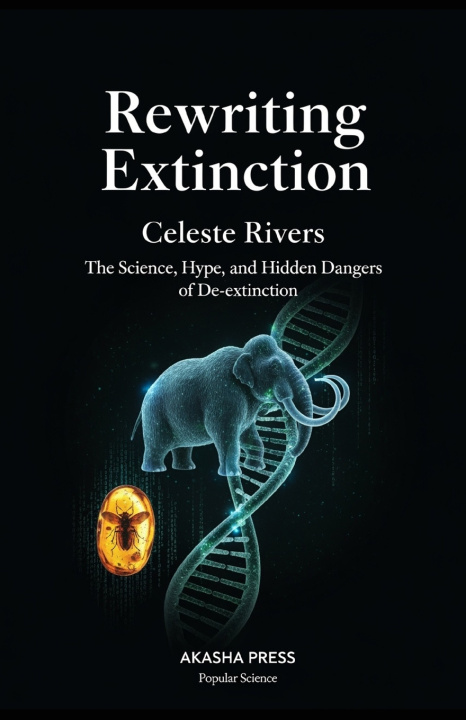
De-extinction is not what you think it is.
The story of bringing back extinct species is sold as a heroic scientific quest. The reality is a far more complex and troubling picture of technological limits, commercial hype, and profound ethical questions. This book dismantles the popular narrative by revealing the actual science and the powerful interests driving it.
The Science: From Perfect Copies to Flawed Proxies
The resurrection of a species is not a simple act of cloning. The brief, tragic life of the first Pyrenean ibex clone proved that a complete genome is not enough; the biological hurdles of gestation and development are immense. This is why the goal for the woolly mammoth shifted from true cloning to creating a 'proxy'-a genetically engineered Asian elephant with mammoth traits like subcutaneous fat and cold-adapted hemoglobin. For other species like the Dodo, the challenge is even greater, with no close living surrogate to solve the intractable problems of its unique avian reproductive system and gut microbiome.
The Hype: A Billionaire's Ark of Patents
Behind the conservationist messaging lies a high-stakes business. The partnership between geneticist George Church and entrepreneur Ben Lamm has transformed de-extinction into a commercial enterprise. Investors are pouring hundreds of millions into companies like Colossal Biosciences not just for mammoths, but for the patentable technologies created along the way, from advanced gene-editing tools to artificial wombs. The charismatic mammoth has become the face of a pitch that frames species revival as a scalable solution to climate change-a claim with powerful fundraising appeal but little scientific consensus.
The Danger: An Empty Ark for an Empty Forest
Even if the genetic code for the passenger pigeon were perfected, its de-extinction is ecologically impossible. The species' survival was dependent on a billion-strong flock dynamic within a continent-spanning forest that no longer exists. This reveals the central flaw of a purely technological solution: it cannot solve the systemic problem of habitat loss. Meanwhile, the true value of this science is found in the 'unseen ark' of genetic rescue, where these same tools are quietly used to save critically endangered species like the black-footed ferret from extinction right now.


O knjigi
Angleščina
Kategorije

Podarite to knjigo še danes
To je povsem preprosto
1 Dodajte knjigo v košarico in izberite dostavo kot darilo 2 V zameno vam bomo poslali kupon 3 Knjiga bo dostavljena na naslov obdarovancaPozdravljeni! Sem Libroamiko, vaš knjižni svetovalec.
Kako vam lahko pomagam?