
 Kontakt
 Kako nakupovati
Dostava
Svetovalec pri nakupu
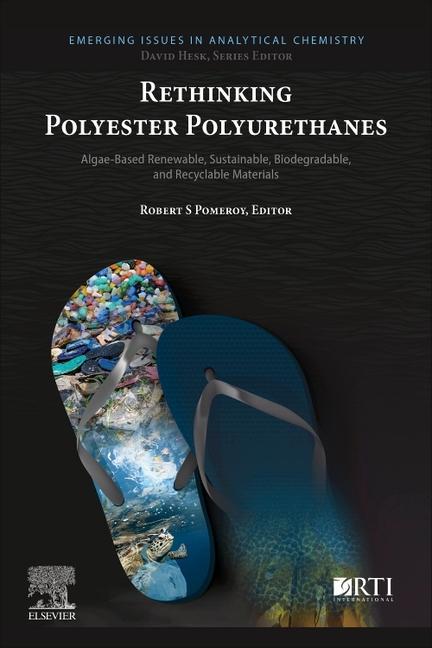
Rethinking Polyester Polyurethanes
Algae Based Renewable, Sustainable, Biodegradable and Recyclable Materials
 Angleščina
 400 b
400 b
30 dni za vračilo blaga

Rethinking Polyester Polyurethanes: Algae Based Renewable, Sustainable, Biodegradable and Recyclable Materials explains how and why bio-based materials, and specifically algae, will change the polymer industry. It provides background on algae, polyurethanes (PUs), and their use in everyday materials. It also covers the biology and chemistry behind how and why these materials are engineered to be both biodegradable and, through the process of depolymerization, fully recyclable. As the competition heats up to provide greener products and show a corporate commitment to environmentalism, this book helps those looking to make the right choices. The book begins with an introduction then is divided into four sections: Re-evaluating the Sources, Redefining the Analytics, Reformulating Polyester Polyurethanes, and The Future. Chapters open with conventional materials and polyurethanes from petroleum, then explore biobased biodegradable PUs. The latter part of the book features regulatory and industry professionals describing the landscape of bio-based materials, the eco-consumer, and insights into the industry problem of “greenwashing. The book closes with a chapter from two leading scientists that have spent their lives studying algae genetics and metabolomics to give the reader their vision of the future.This book is a valuable resource for industry professionals who use polyurethanes in the supply chain for manufactured products, those in sales and marketing or regulatory roles who wish to better understand the unique advantages of bio-based materials, and researchers studying R&D of biobased polyurethanes or remediation of microplastics pollution on land and in bodies of fresh and salt water worldwide. Builds on the foundation of sustainable, renewable, biodegradable, recyclable microplastics, with life cycle assessment, techno-economic analysis, and the green premium Clarifies the true economics—if we were to go back to initial development of the plastics industry, what would we do differently? Covers the basic science—the knowledge required to effectively communicate the use of materials that are on first examination more expensive, but on closer examination are less expensive when the environmental consequences are factored in


O knjigi
Angleščina
Kategorije
