
 Kontakt
 Kako nakupovati
Dostava
Svetovalec pri nakupu
 Angleščina
 65 b
65 b
 Kmalu
Kmalu
 Novo
Novo
Do 30 dni za vračilo

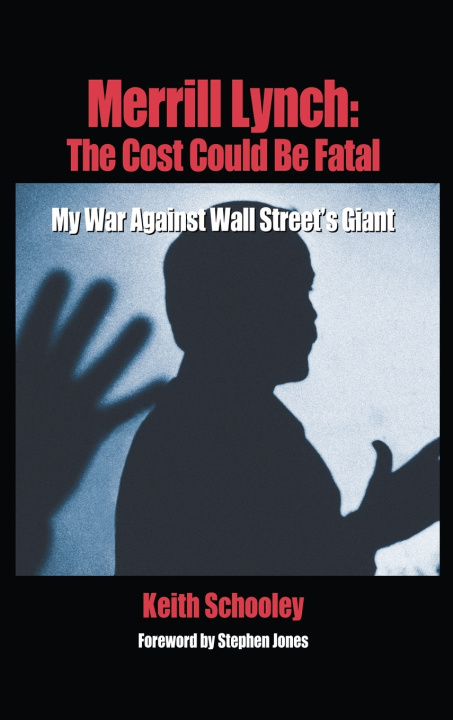
When Keith Schooley accepted a position with Merrill Lynch, one of Wall Street's largest and most respected securities firms, he believed he was beginning a promising career with an organization known for integrity and excellence. But behind the company's carefully cultivated reputation, Schooley soon encountered practices that challenged everything he believed about the institution he had proudly joined.
What began with troubling incidents inside the firm, including concerns surrounding insurance examinations and the instruction to "Don't worry about product knowledge. Just sell." eventually placed Schooley in an extraordinary position: choosing between remaining silent or speaking out.
Schooley chose to speak.
In a bold and consequential move, he submitted a detailed memorandum to Merrill Lynch management outlining ten specific incidents he believed demonstrated serious wrongdoing within the organization. Rather than resolving his concerns, his actions were followed by attempts to silence the whistle-blower and ultimately by his controversial dismissal.
His fight did not end with the loss of his job. Schooley pursued a wrongful termination claim that eventually proceeded to arbitration. Skeptical that he would receive a fair hearing, he appealed to regulatory authorities he believed could compel Merrill Lynch to answer for its actions, including the New York Stock Exchange and the National Association of Securities Dealers. Along the way, he was represented by prominent attorney Stephen Jones and supported by Professor Michael Rustad, a leading authority on punitive damages, who testified on his behalf.
Despite these efforts, the arbitration ended in profound disappointment.
The battle came at a devastating personal cost. Schooley not only lost his career but ultimately sacrificed his marriage as well. Yet, in the face of professional, financial, legal, and personal hardship, he found strength in his faith and refused to give up. He pursued every motion and petition available to him through the courts before finally taking his case to the court of public opinion.
This is more than the account of a legal battle with a Wall Street giant. It is the story of one man's decision to confront what he believed was wrong, the consequences of refusing to remain silent, and the faith and perseverance that carried him through the fight.


O knjigi
Angleščina
