
 Kontakt
 Kako nakupovati
Dostava
Svetovalec pri nakupu
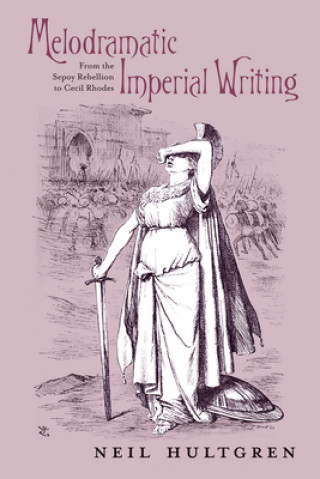
Melodramatic Imperial Writing
 Angleščina
 201 b
201 b
Do 30 dni za vračilo

Melodrama has long been criticized for its reliance on improbable situations and overwhelming emotion. These very aspects, however, made it a useful and appealing literary mode for British imperial propagandists in the late nineteenth century. Though stage melodrama may have been declining in prominence, the melodramatic style influenced many late-Victorian genres outside of theater - for example, imperialist ballads, detective novels, travel narratives, and romances. Melodramatic Imperial Writing locates the melodramatic mode within a new and considerably more nuanced history of British imperialism: beyond its use in constructing imperialist fantasies or supporting unjust policies, the melodramatic style also enabled writers to upset narratives of British imperial destiny or racial superiority. This book examines works by both canonical and lesser-known authors writing after the Sepoy Rebellion, including Wilkie Collins, Marie Corelli, Charles Dickens, H. Rider Haggard, W. E. Henley, Rudyard Kipling, Olive Schreiner, and Robert Louis Stevenson, and encompasses representations of British imperialism from India, to South Africa and the South Seas. Neil Hultgren is an associate professor of English at California State University, Long Beach, where he teaches courses in British literature and Victorian studies. He has written extensively on Wilkie Collins, H. Rider Haggard, and Oscar Wilde, and his articles have appeared in such venues as Literature Compass and Victorians Institute Journal.


O knjigi
Angleščina
