
 Kontakt
 Kako nakupovati

Dostava
Svetovalec pri nakupu
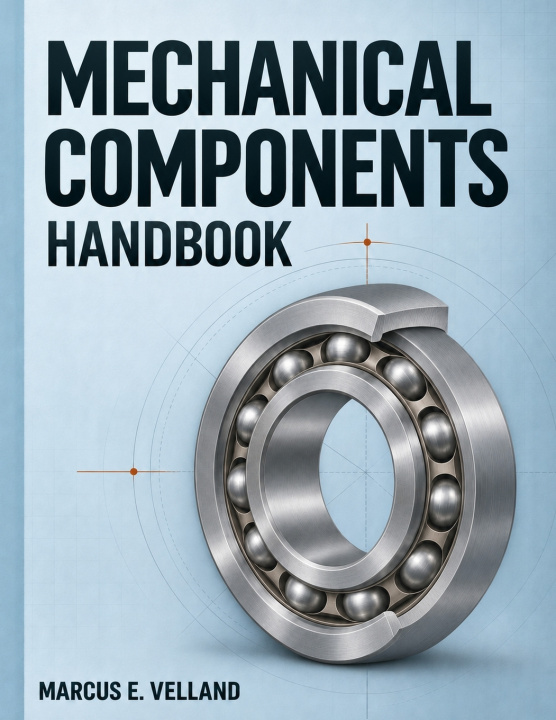
Mechanical Components Handbook
Design, Selection, Sizing, and Application of Machine Elements and Power Transmission Systems
 Angleščina
 154 b
 Kmalu
 Novo
Do 30 dni za vračilo

From mechanical principles to practical component selection.
A reliable machine begins with correctly designed, sized, and selected components. Shafts, bearings, gears, fasteners, couplings, and power-transmission elements must work together under real operating loads, manufacturing tolerances, and service conditions.
Mechanical Components Handbook by Marcus E. Velland provides a structured engineering reference for understanding, evaluating, selecting, and integrating essential machine elements.
Organized into 17 technical chapters, this handbook connects mechanical-design principles with worked calculations, engineering figures, comparative tables, selection procedures, and practical verification checklists.
Inside, readers will explore:
Mechanical-component selection, design requirements, and load paths
Stress analysis, fatigue, reliability, and material selection
Fits, tolerances, threaded fasteners, keys, splines, and interference connections
Shaft sizing, rotating members, and rolling-element bearings
Sliding bearings, lubrication, and wear considerations
Gears, gear trains, belts, pulleys, chains, and sprockets
Couplings, universal joints, clutches, brakes, and springs
Seals, gaskets, housings, power screws, and linear-motion components
Integrated design verification and documented engineering decisions
Designed for technical learning and professional reference, the book emphasizes understanding the controlling loads, identifying critical failure modes, comparing alternatives, and evaluating how individual components affect an entire mechanical assembly.
Worked examples help readers follow engineering calculations from assumptions through interpretation. Technical figures, selection workflows, practice problems, and checklists support the application of these principles.
SI units are used primarily, with US customary equivalents included where useful.
Who this book is for:
Mechanical design engineers
Machine designers and engineering technologists
Manufacturing and industrial engineers
Maintenance and reliability professionals
Upper-level mechanical engineering students
Technical professionals working with mechanical power-transmission systems
Whether evaluating a shaft, comparing bearing arrangements, selecting a gear drive, or checking component interfaces, Mechanical Components Handbook offers a disciplined approach to mechanical-design decisions.


O knjigi
Angleščina

Podarite to knjigo še danes
To je povsem preprosto
1 Dodajte knjigo v košarico in izberite dostavo kot darilo 2 V zameno vam bomo poslali kupon 3 Knjiga bo dostavljena na naslov obdarovancaPozdravljeni! Sem Libroamiko, vaš knjižni svetovalec.
Kako vam lahko pomagam?