
 Kontakt
 Kako nakupovati
Dostava
Svetovalec pri nakupu
Laughter and Power
 Angleščina
 174 b
174 b
Do 30 dni za vračilo
Drugi so kupili tudi


 /
/
 Mehka
Mehka
 29.52
€
29.52
€











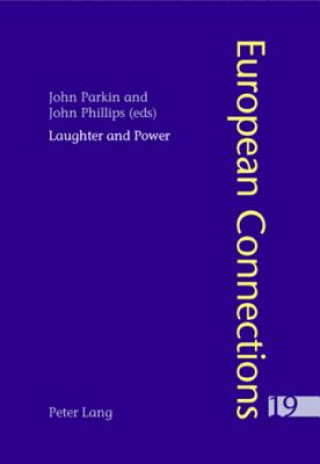
Laughter and power are here examined in a variety of contexts, ranging from the satires of Renaissance Humanism through to the polemics of contemporary journalism. How do the powerful use laughter as a cultural weapon which reinforces their position? How do the powerless use laughter as a last resort in their self-defence? Sixteenth-century intellectuals applied their satires to a campaign against intolerance. Seventeenth-century absolutism demanded of comedy that it serve its interests. Yet subversive humour survived, even at the court, and led through the Enlightenment to its apogee in the black humour of Sade. Twentieth-century experimental fiction owes that trend a conscious debt. Meanwhile an aesthetic tradition, represented here by Flaubert, Beckett and Queneau, incites a laughter which releases tension rather than raising awareness. As humour theorists, Bergson, Freud and Koestler help focus these concerns.


O knjigi
Angleščina

Podarite to knjigo še danes
To je povsem preprosto
1 Dodajte knjigo v košarico in izberite dostavo kot darilo 2 V zameno vam bomo poslali kupon 3 Knjiga bo dostavljena na naslov obdarovancaMorda bi vas zanimalo tudi








Pozdravljeni! Sem Libroamiko, vaš knjižni svetovalec.
Kako vam lahko pomagam?