
 Kontakt
 Kako nakupovati
Dostava
Svetovalec pri nakupu
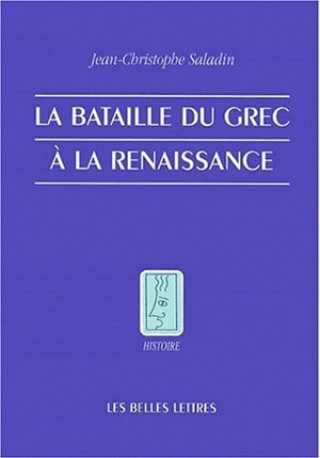
La Bataille Du Grec a la Renaissance
 Francoščina
 117 b
117 b
Do 30 dni za vračilo
Drugi so kupili tudi









 /
/
 Mehka
Mehka
 11.19
€
11.19
€
 /
Mehka
31.50
€
/
Mehka
31.50
€


 /
Mehka
26.60
€
/
Mehka
26.60
€








Within the span of a single century (from the mid-15th to the mid-16th centuries), the Greek language, which was well on its way to oblivion, became the focus of one of the most heated debates of the Renaissance period. Greek was accused by what was then a Catholic and Latin Europe of being a vehicle for ancient paganism, Byzantine schism, and even Lutheran heresy. The Council of Trent, which deemed that Roman authority was being undermined by the Vulgate's philological criticism, went so far as to confirm the obvious collusion that existed between Greek and heresy.In fact, behind such accusations can be discerned the power struggles that were taking place between ecclesiastical, academic and political factions. Analysis of such confrontations and of the difficulties that Humanists had in circumventing them, infers that, despite its ultimate success, Greek literature remained suspect in Europe throughout the Counter-Reformation.In this very meticulous study, based on previously unpublished texts, of what was at stake in this anti-Greek movement (a resistance actually based on free, progressive and critical thought), the author combines the thoroughness of an historian with a mine of true anecdotes about the moral standards of that era : the censure practices, legal disputes, self-serving denouncements, etc. That, indeed, were the most evident driving forces behind the intellectual and power struggles.


O knjigi
Francoščina

Podarite to knjigo še danes
To je povsem preprosto
1 Dodajte knjigo v košarico in izberite dostavo kot darilo 2 V zameno vam bomo poslali kupon 3 Knjiga bo dostavljena na naslov obdarovancaPozdravljeni! Sem Libroamiko, vaš knjižni svetovalec.
Kako vam lahko pomagam?