
 Kontakt
 Kako nakupovati
Dostava
Svetovalec pri nakupu
 Angleščina
 32 b
32 b
 Novo
Novo
Do 30 dni za vračilo

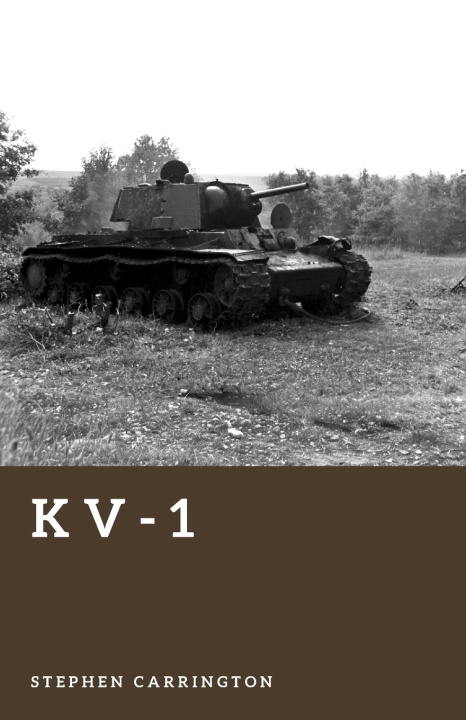
In KV-1: The Soviet Fortress Tank, Stephen Carrington tells the story of the heavy tank that stunned the Wehrmacht during the opening phase of the German invasion of the Soviet Union. Emerging from the Soviet Union's vast industrial expansion of the late 1930s, the KV-1 was designed to survive the firepower of modern anti-tank warfare and spearhead breakthrough operations against fortified defenses. When it first entered combat during Operation Barbarossa, its thick armor and battlefield resilience created moments of shock and confusion among German forces unprepared for such heavily protected Soviet armor.
Drawing on wartime reports, operational records, production history, battlefield accounts, and Soviet armored development programs, Carrington traces the KV-1 from the design bureaus of the Kirov Plant in Leningrad to the desperate fighting across the Eastern Front. He explores the collapse of early Soviet mechanized doctrine during the disasters of 1941, the brutal defensive battles around Leningrad, the evacuation of heavy industry beyond the Urals, and the constant struggle to balance armor, mobility, firepower, and reliability under wartime conditions. The book follows the KV through its evolution from revolutionary breakthrough tank to increasingly strained battlefield veteran as German anti-tank weapons and armored tactics grew deadlier with each passing year.
More than the story of a single armored vehicle, this book examines the transformation of mechanized warfare during the Second World War itself. Massive, heavily armored, and unforgettable in appearance, the KV-1 became one of the defining symbols of the Eastern Front's violent opening years, representing both the strengths and contradictions of Soviet armored warfare during one of the largest and most destructive conflicts in human history.


O knjigi
Angleščina
