
 Kontakt
 Kako nakupovati
Dostava
Svetovalec pri nakupu
International Society for Gender Medicine
 Angleščina
 140 b
140 b
Do 30 dni za vračilo
Drugi so kupili tudi



 /
/
 Mehka
Mehka
 30.04
€
30.04
€





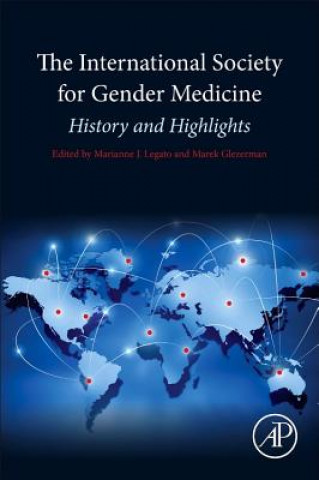
This interesting vignette highlights the history of the beginning of the women’s health movement in the early 1990’s, reinforced by Congressional legislation and the National Institutes of Health's stipulation that females be included in clinical studies. As data accumulated, it soon became apparent that women were different from men in every system of the body and the new science of gender-specific medicine was born. The field of gender-specific medicine examines how normal human biology and physiology differ between men and women and how the diagnosis and treatment of disease differs as a function of gender. Among the areas of greatest difference are cardiovascular disease, mood disorders, the immune system, cancer, osteoporosis, diabetes, obesity, and infectious diseases. International Society for Gender Medicine: Achievements, Aim, and Ambition is essential reading for all researchers, graduate students, practitioners and anyone interested in how this diverse and thriving field developed. From the early beginning to the recent NIH mandate that female animals be included in pre-clinical research and that research results be reported by sex, this quick read will broaden your understanding of the history and highlight where the future is headed. Illustrates how major universities and organizations around the world, concentrating first on the unexplored world of women's biology, progressively adopted the larger view of the importance of investigating and comparing both sexes not only in humans, but at all levels of biomedical researchNotes the recent NIH statement that funding would depend on inclusion of two sexes in scientific protocols wherever possible was an important affirmation of the legitimacy of gender specific scienceAddresses challenges for the future: how to incorporate both sexes in investigative protocols in a scientifically valid way; whether or not the cost of including two sexes in protocols will be prohibitively expensive should be resolvedDispels the idea that gender-specific medicine is women's medicine and how changing the name of most of the organizations currently advocating and developing gender specific medicine to include "men and women" rather than just "women" in their group name would help dispel this notion


O knjigi
Angleščina

Podarite to knjigo še danes
To je povsem preprosto
1 Dodajte knjigo v košarico in izberite dostavo kot darilo 2 V zameno vam bomo poslali kupon 3 Knjiga bo dostavljena na naslov obdarovancaMorda bi vas zanimalo tudi

 /
/
 Digitalno
652.02
€
Digitalno
652.02
€



Pozdravljeni! Sem Libroamiko, vaš knjižni svetovalec.
Kako vam lahko pomagam?