
 Kontakt
 Kako nakupovati
Dostava
Svetovalec pri nakupu
 Angleščina
 24 b
24 b
 Novo
Novo
30 dni za vračilo blaga

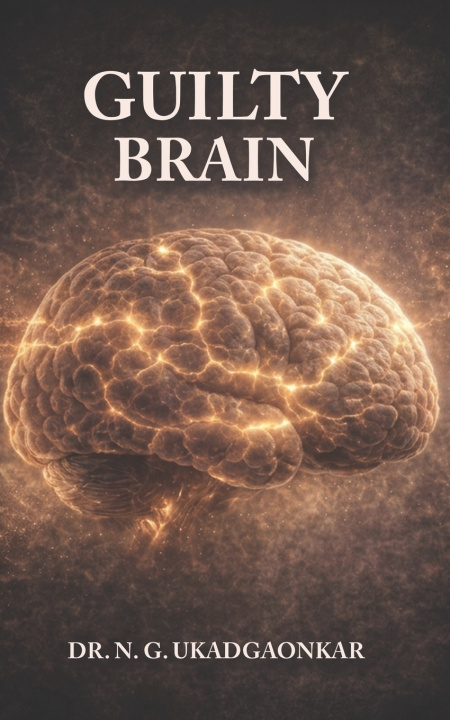
'Guilty Brain' is a journey into the shadowed corridors of the human mind, where crime is not always born of evil intent, but sometimes of silent neurological storms. It explores a disturbing yet fascinating possibility-that beneath certain acts of violence, deceit, or moral collapse, there may lie an unseen lesion, a misfiring neural circuit, a chemical imbalance, or a genetic vulnerability quietly shaping behaviour long before the law intervenes.
The stories in this book weave fiction with neuroscience. They portray individuals whose crimes emerge not from calculated wickedness alone, but from hidden brain diseases-temporal lobe epilepsy masquerading as rage, frontal lobe injury dissolving moral restraint, tumours awakening forbidden impulses, strokes altering judgment in a split second. In each narrative, the brain becomes both protagonist and perpetrator, raising an unsettling question: when the organ of thought is diseased, where does responsibility truly lie?
Alongside these clinical enigmas are cautionary tales about the misuse of modern medical technology. Pacemakers turned into weapons, insulin pumps manipulated remotely, deep brain stimulators exploited, artificial intelligence harnessed for control rather than care-these stories examine how innovation, though miraculous, carries inherent vulnerability. Technology that saves life can also be subverted to end it. Progress, when stripped of ethics, becomes peril.
Interwoven through these narratives is the emerging science of neurocriminology-the study of the biological roots of criminal behaviour. Advances in functional brain imaging, neurochemistry, genetics, and electrophysiology are beginning to reveal correlations between impaired frontal control, hyperactive limbic circuits, altered neurotransmitters, and aggressive or impulsive acts. The book explores how these discoveries challenge the traditional foundations of criminal law, particularly the notion of mens rea, the "guilty mind." If a damaged brain compels action beyond conscious control, can guilt be measured in the same way?
As neuroscience advances, the courtroom of the future may look different from today's. Brain scans may accompany witness testimonies. Genetic profiles may inform sentencing. Rehabilitation may include neuromodulation, pharmacotherapy, or behavioural neurotherapy rather than incarceration alone. The focus of justice may gradually shift-from retribution to restoration, from punishment to healing. This transformation will not be simple; it will demand ethical vigilance, scientific rigor, and profound societal debate. But it may also offer a more humane understanding of behaviour.
Guilty Brain does not absolve wrongdoing, nor does it reduce morality to molecules. Instead, it invites readers to confront complexity-to see crime not merely as a legal event, but as a neurobiological phenomenon embedded within human vulnerability. It asks whether some offenders are not simply lawbreakers, but patients in need of diagnosis. It suggests that in certain cases, society's response must evolve from condemnation to comprehension.
In the end, this book stands at the intersection of medicine, morality, and law. It is a reflection on the fragile architecture of the brain, the double-edged sword of technology, and the evolving future of justice in an age where science increasingly reveals that behind many guilty acts, there may be a guilty brain.


O knjigi
Angleščina
Kategorije

Podarite to knjigo še danes
To je povsem preprosto
1 Dodajte knjigo v košarico in izberite dostavo kot darilo 2 V zameno vam bomo poslali kupon 3 Knjiga bo dostavljena na naslov obdarovancaPozdravljeni! Sem Libroamiko, vaš knjižni svetovalec.
Kako vam lahko pomagam?