
 Kontakt
 Kako nakupovati
Dostava
Svetovalec pri nakupu
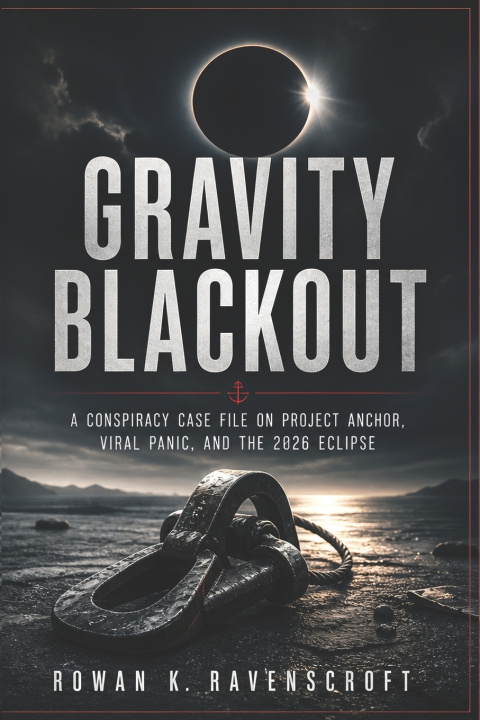
Gravity Blackout
A Conspiracy Case File on Project Anchor, Viral Panic, and the 2026 Eclipse
 Angleščina
 34 b
34 b
 Novo
Novo
Do 30 dni za vračilo

A real eclipse. A viral warning. A seven-second disaster claim that turned uncertainty into public fear.
On August 12, 2026, a total solar eclipse is scheduled to cross parts of the Northern Hemisphere. That much belongs to the record. But around that real astronomical event, a darker claim began to circulate: Earth would allegedly lose gravity for seven seconds, and a hidden emergency program called Project Anchor was said to be preparing for the fallout.
Gravity Blackout is an investigative nonfiction case file on the Project Anchor conspiracy, the 2026 eclipse conspiracy, and the modern machinery that can turn a weak claim into a powerful cultural event. The book does not treat rumor as proof, and it does not treat official denial as the end of inquiry. Instead, it separates what is documented, what is alleged, what is contradicted, and what remains unsupported.
At the center of the book is a simple but unsettling question: why did the gravity blackout story work? The alleged leak carried the language of secrecy. The date was precise. The duration was cinematic. The supposed emergency protocols sounded bureaucratic. The survival language gave frightened readers something to do. The real eclipse gave the unsupported catastrophe a calendar, a visual stage, and a sense of inevitability.
This gravity hoax investigation follows the story through its core elements: Project Anchor, the seven-second gravity blackout claim, the alleged classified memo, casualty mathematics, bunker mythology, anti-gravity belief systems, firmament interpretations, fact-check resistance, fake leak aesthetics, platform-driven panic, and the attention economy that can reward fear even when the evidence is weak.
Rather than mocking curiosity or amplifying panic, Gravity Blackout uses evidence grades, chronology dockets, claim tiering, and case-file structure to examine how a modern conspiracy narrative is built. The result is an evidence-based conspiracy analysis for readers who want a sharper way to evaluate viral claims, hidden-program rumors, eclipse panic, and the blurry space between skepticism and surrender.
Readers can expect a clear, restrained, and unsettling nonfiction investigation: not a promise of hidden truth, but a method for sorting truth from atmosphere. The book treats the real eclipse seriously, the alleged gravity blackout cautiously, and the public fear around Project Anchor as a meaningful case study in misinformation, distrust, and manufactured urgency.
This Book Is For Readers Who...- Want a Project Anchor conspiracy case file grounded in evidence categories
- Are curious about the 2026 eclipse conspiracy without wanting panic or hype
- Read about modern conspiracy narratives, hoaxes, and public belief systems
- Want to understand fake leak case files, viral rumors, and official-sounding claims
- Are interested in how fear, secrecy, and exact numbers can make a story feel true
- Prefer careful nonfiction that separates documented facts from unsupported claims
- Want a gravity blackout book that studies the rumor without endorsing it
- Investigative nonfiction about conspiracy culture
- Evidence-based conspiracy analysis and rumor testing
- Case-file style nonfiction with chronology dockets and evidence grades
- Books about viral misinformation, public distrust, and hidden-program claims
- Modern folklore, apocalypse rumors, and internet panic
The eclipse is real. The panic needed something more.
Open the case file and follow what the record can hold.


O knjigi
Angleščina
