Brezplačna dostava za naročila nad 69.99 € na paketomatih Pošte Slovenije.

Postanite del skupnosti ljubiteljev knjig z vsega sveta in uživajte v številnih ugodnostih.
Ustvarite brezplačen račun
Brezplačna dostava Zásilkovna nad 69.99 €
Zbirna točka GLS 4.49 €
Zbirna točka DPD 2.99 €
Kurirska služba GLS 5.49 €
Kurir DPD 3.49 €
Kurirska služba 3.49 €
Zbirno mesto 3.49 €
Zbirno mesto 3.49 €
Dostava preko Pošte Slovenije 3.49 €
 Kontakt
 Kako nakupovati
Pomoč
Dostava
Zbirna točka GLS 4.49 €
Zbirna točka DPD 2.99 €
Kurirska služba GLS 5.49 €
Kurir DPD 3.49 €
Kurirska služba 3.49 €
Zbirno mesto 3.49 €
Zbirno mesto 3.49 €
Dostava preko Pošte Slovenije 3.49 €
Brezplačna dostava Zásilkovna nad 69.99 €
Svetovalec pri nakupu
Moj račun
▸
Prazna :-(
0
Brezplačna dostava za naročila nad 69.99 € na paketomatih Pošte Slovenije.
Jezik
 Angleščina
Angleščina
Knjiga
Mehka
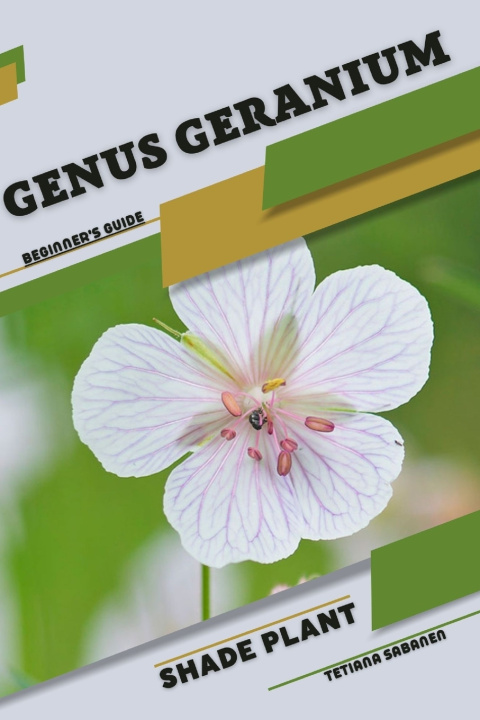
Shade plants, also known as shade-tolerant or shade-loving plants, have evolved a suite of adaptatio...
Celoten opis
Koda Libristo: 51084282
?
 44 b
44 b
44 b
18.32
€
Na zalogi pri dobavitelju
Odposlali bomo v 9-15 dneh
30 dni za vračilo blaga

Shade plants, also known as shade-tolerant or shade-loving plants, have evolved a suite of adaptations that allow them to thrive in environments characterized by reduced light intensity. These plants have developed various strategies to capture and utilize available light energy efficiently. We will explore the key features and mechanisms employed by shade plants to successfully adapt to low-light conditions.
- Light Harvesting Structures:
- Light-Absorbing Pigments:
- Low-Light Photosynthetic Mechanisms:
- Light-Avoidance Responses:
- Nutrient Efficiency:
- Adaptive Morphology:
- Understory and Forest Floor Ecology:
- Tolerance to Low Light Stress:
In conclusion, shade plants have evolved a range of adaptations at the structural, physiological, and ecological levels to thrive in low-light environments. These adaptations allow them to efficiently capture, utilize, and compete for available light, ensuring their survival and growth in shaded habitats.
So, this book will tech you how to grow this plant, Scroll up and get new knowledge
Igralka
&
Poliglotka
EWA KASP
za
Predvajaj video


Libristo ima največjo izbiro tujejezične literature. Zato svoje knjige kupujem tukaj.
O knjigi
Polni naslov
Genus Geranium
Avtor
Tetiana Sabanen
Jezik
Angleščina
Angleščina
Vezava
Knjiga - Mehka
Datum izida
2023
Število strani
72
EAN
9798860741232
Koda Libristo
51084282
Založba
Independently published
Teža
111
Mere
152 x 229 x 4
Kategorije

Podarite to knjigo še danes
To je povsem preprosto
1 Dodajte knjigo v košarico in izberite dostavo kot darilo 2 V zameno vam bomo poslali kupon 3 Knjiga bo dostavljena na naslov obdarovanca
Knjižni svetovalec Libroamiko
Z uporabo tega klepeta komunicirate z generativno umetno inteligenco. Z njegovo uporabo se strinjate tudi z obdelavo osebnih podatkov.
Pozdravljeni! Sem Libroamiko, vaš knjižni svetovalec.
Kako vam lahko pomagam?
Pozdravljeni, sem Libroamiko, vam lahko pomagam?