
 Kontakt
 Kako nakupovati
Dostava
Svetovalec pri nakupu
Fourth Amendment
 Angleščina
 470 b
470 b
Do 30 dni za vračilo
Drugi so kupili tudi




 /
/
 Trda
Trda
 189.74
€
189.74
€












 /
Mehka
16.17
€
/
Mehka
16.17
€





 /
Mehka
7.07
€
/
Mehka
7.07
€

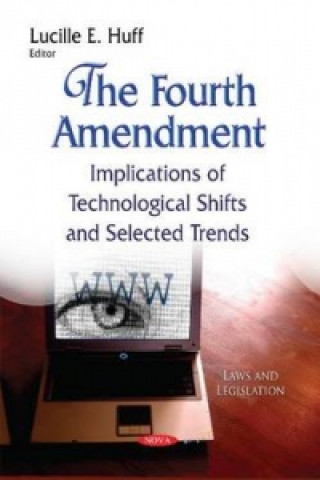
Before there were emails, instant messaging, and other forms of electronic communication, it was much easier for the courts to determine if a government investigation constituted a Fourth Amendment "search." If the police intruded on your person, house, papers, or effectstangible property interests listed in the text of the Fourth Amendmentthat act was considered a search, which had to be "reasonable" under the circumstances. However, with the advent of intangible forms of communication, like the telephone or the Internet, it became much more difficult for judges to determine when certain surveillance practices intruded upon Fourth Amendment rights. With these legal, social, and technological trends in mind, this book explores the third party-doctrine, including its historical background, its legal and practical underpinnings, and its present and potential future applications. It explores the major third-party doctrine cases and fits them within the larger Fourth Amendment framework. It surveys the various doctrinal and practical arguments for and against its continued application. Lastly, this book describes congressional efforts to supplement legal protection for access to third-party records, as well as suggesting possible future directions in the law.


O knjigi
Angleščina

Podarite to knjigo še danes
To je povsem preprosto
1 Dodajte knjigo v košarico in izberite dostavo kot darilo 2 V zameno vam bomo poslali kupon 3 Knjiga bo dostavljena na naslov obdarovancaMorda bi vas zanimalo tudi









 /
Trda
35.47
€
/
Trda
35.47
€
 /
Mehka
102.90
€
/
Mehka
102.90
€

 /
Mehka
9.70
€
/
Mehka
9.70
€

 /
Mehka
12.32
€
/
Mehka
12.32
€




 /
Trda
20.31
€
/
Trda
20.31
€



Pozdravljeni! Sem Libroamiko, vaš knjižni svetovalec.
Kako vam lahko pomagam?