
 Kontakt
 Kako nakupovati
Dostava
Svetovalec pri nakupu
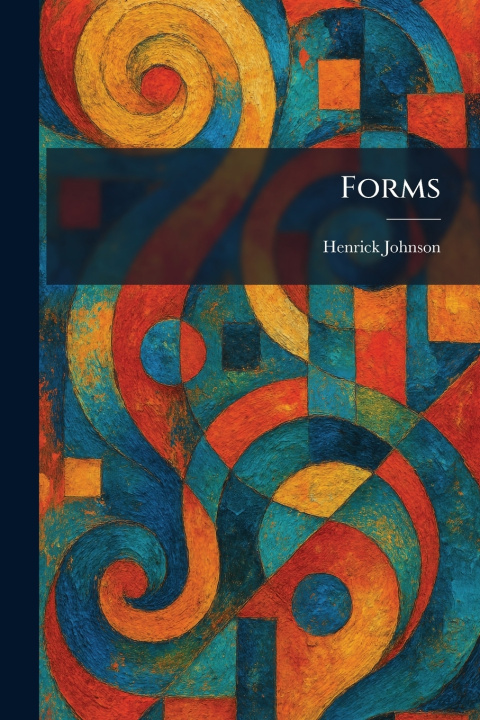
Forms
 Angleščina
 42 b
42 b
30 dni za vračilo blaga

"Forms" by Henrick Johnson is a compelling examination of the structural and visual elements that define artistic and functional design. Produced during a pivotal era of aesthetic transition, this work serves as an essential resource for understanding the principles of composition and the formal evolution of the early twentieth century.
Johnson explores the intersection of geometry, utility, and artistic expression, providing a systematic approach to identifying and creating harmonious structures. Whether applied to architecture, the fine arts, or industrial design, the insights within "Forms" reflect a growing historical interest in streamlining and the formalist movements of the 1930s. This volume remains a significant reference for students of art history and design theory, offering a focused window into the perspectives that shaped the visual landscape of the period. Through detailed analysis, Johnson provides a framework for appreciating the underlying patterns and shapes that constitute the physical world, making it a valuable addition to any collection of modern art literature.
This work has been selected by scholars as being culturally important, and is part of the knowledge base of civilization as we know it. This work was reproduced from the original artifact, and remains as true to the original work as possible. Therefore, you may see the original copyright references, library stamps (as most of these works have been housed in our most important libraries around the world), and other notations in the work.
This work is in the public domain in the United States of America, and possibly other nations. Within the United States, you may freely copy and distribute this work, as no entity (individual or corporate) has a copyright on the body of the work.
As a reproduction of a historical artifact, this work may contain missing or blurred pages, poor pictures, errant marks, etc. Scholars believe, and we concur, that this work is important enough to be preserved, reproduced, and made generally available to the public. We appreciate your support of the preservation process, and thank you for being an important part of keeping this knowledge alive and relevant.


O knjigi
Angleščina
