
 Kontakt
 Kako nakupovati
Dostava
Svetovalec pri nakupu
 Angleščina
 53 b
53 b
Do 30 dni za vračilo

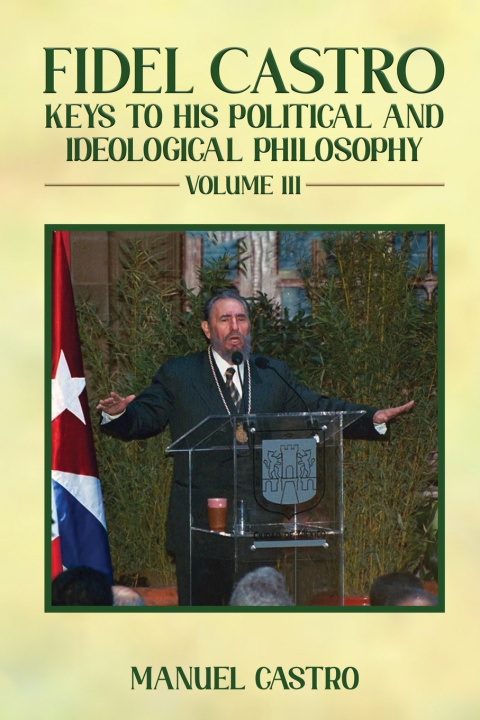
This extensive work demonstrates that a recurring theme in Fidel Castro's thought is the concept of democracy, which he understood in a way distinct from liberal representative democracy. For Castro, democracy had to be linked to the social and economic well being of the people, and he often defined his system as a democracy of popular participation This approach invites reflection on the boundaries between authoritarianism and left wing politics, the relationship between power and participation, and how the concept of political legitimacy is shaped in different contexts.
Studying Fidel Castro's thought also requires reflection on his errors and limitations. His government was marked by a lack of political pluralism, the repression of dissent, and the absolute concentration of power. Despite achievements in areas such ms health and education, these shadows of his regime offer important lessons about the dangers of concentrated power and the absence of transparency, Analyzing these contradictions is essential for political studies, as it allows an understanding of how revolutionary ideas can evolve or become distorted over time.
Fidel promoted a distinctive socialist model which, although inspired by Marxism Leninism, violated its fundamental theses and allowed his singular line of thought to prevail. Nevertheless, his thought can and should be studied to understand how a socialist model may be applied under the specific conditions of a small and underdeveloped country facing an economic blockade and constant international pressure. This experience was unique and offers valuable lessons on both the theory and practice of socialism. It is also of great importance for teaching and learning, particularly in order to avoid violating the principles of scientific socialism. In his discourse, he employed didactic tools that facilitate understanding of reallity and encourage reflection aimed at transforming practice. His definition of the Concept of Revolution expresses the depth and maturity ofhis political and ideological thought, as well as the necessity of change.


O knjigi
Angleščina
