
 Kontakt
 Kako nakupovati
Dostava
Svetovalec pri nakupu
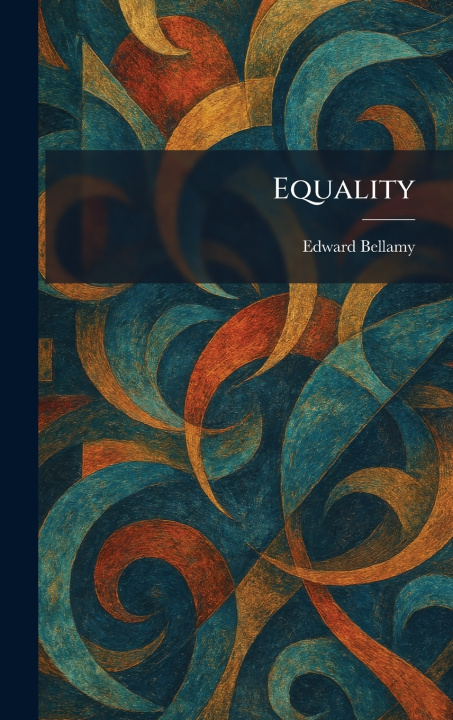
Equality
 Angleščina
 88 b
88 b
30 dni za vračilo blaga

In "Equality", Edward Bellamy presents a compelling sequel to his landmark work, "Looking Backward: 2000-1887". This profound utopian novel continues the story of Julian West, a man who wakes in the year 2000 to find a society transformed into a cooperative paradise. While the previous volume introduced the structural changes of this future world, "Equality" delves deeper into the philosophical, economic, and social underpinnings that sustain a civilization built upon the principle of absolute human equality.
Through engaging dialogue and rigorous social critique, Bellamy explores the transition from the competitive industrialism of the nineteenth century to a system where the collective welfare is the primary objective. The narrative examines how the abolition of private capital and the implementation of a universal credit system have eradicated poverty, crime, and social hierarchy. Bellamy's vision encompasses broad themes of education, gender equality, and the moral evolution of humanity, arguing that true freedom can only be achieved through economic justice.
As a foundational text in utopian literature and political thought, "Equality" remains a significant exploration of how society might be reorganized to serve the common good. It offers a detailed blueprint for a more equitable world, challenging readers to consider the possibilities of radical social transformation and the enduring power of human cooperation.
This work has been selected by scholars as being culturally important, and is part of the knowledge base of civilization as we know it. This work was reproduced from the original artifact, and remains as true to the original work as possible. Therefore, you may see the original copyright references, library stamps (as most of these works have been housed in our most important libraries around the world), and other notations in the work.
This work is in the public domain in the United States of America, and possibly other nations. Within the United States, you may freely copy and distribute this work, as no entity (individual or corporate) has a copyright on the body of the work.
As a reproduction of a historical artifact, this work may contain missing or blurred pages, poor pictures, errant marks, etc. Scholars believe, and we concur, that this work is important enough to be preserved, reproduced, and made generally available to the public. We appreciate your support of the preservation process, and thank you for being an important part of keeping this knowledge alive and relevant.


O knjigi
Angleščina
