
 Kontakt
 Kako nakupovati
Dostava
Svetovalec pri nakupu
 Angleščina
 95 b
95 b
Do 30 dni za vračilo

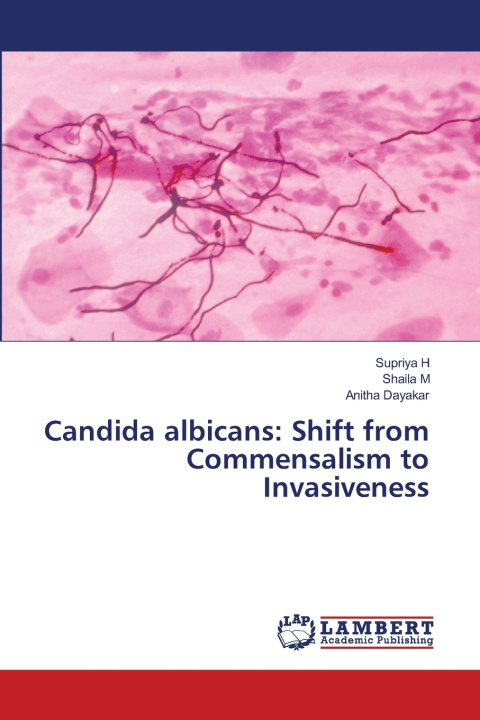
The predominant fungi isolated from human mouth belong to the genus Candida, and while there are more than 150 Candida species, approximately only 10 of these colonize the oral cavity. Candida albicans (C. albicans) is the most prevalent species recognized (70 to 75% of isolates), followed by C. glabrata and C. tropicalis (7% of isolates). Array of factors including host, systemic and iatrogenic has been associated with an increase in the incidence of opportunistic infections involving Candida and thus regarded as pathogenic species. The transition of this innocuous commensal into disease-causing 'parasite' may be associated with the virulence attributes of the microorganism and an array of host factors. Factors contributing to the pathogenicity include surface molecules which mediate adhesion to and invasion into host cells, secretion of hydrolases, yeast-to-hypha transition, contact sensing and thigmotropism, biofilm formation, phenotypic switching and a range of fitness attributes. Here we overview the various modalities as how this normal commensal turns pathogenic, it's possible interactions with host epithelial cells and role in malignant transformation of oral mucosa.


O knjigi
Angleščina

Podarite to knjigo še danes
To je povsem preprosto
1 Dodajte knjigo v košarico in izberite dostavo kot darilo 2 V zameno vam bomo poslali kupon 3 Knjiga bo dostavljena na naslov obdarovancaPozdravljeni! Sem Libroamiko, vaš knjižni svetovalec.
Kako vam lahko pomagam?