
 Kontakt
 Kako nakupovati
Dostava
Svetovalec pri nakupu
 Angleščina
 67 b
67 b
 Kmalu
Kmalu
 Novo
Novo
Do 30 dni za vračilo

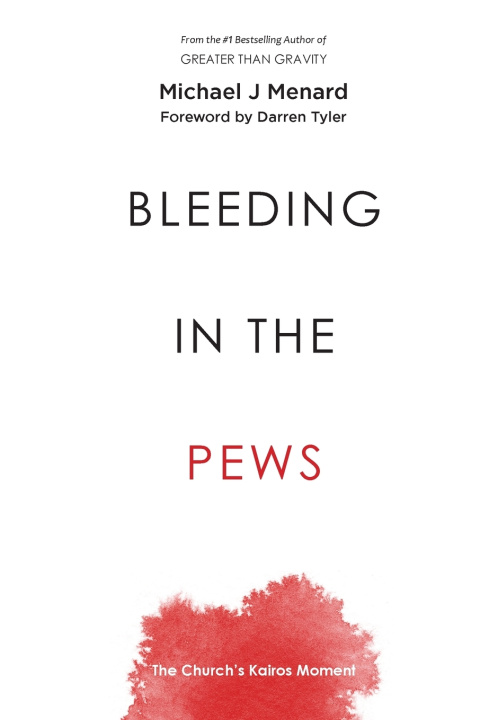
Every Sunday, people fill the pews. They sing the worship songs. They bow their heads in prayer. And they bleed invisibly, carrying wounds the church can't see and doesn't know how to heal.
Childhood trauma kills 1,401 Americans every day, making it the #1 cause of death in the nation. It is the primary driver of addiction, suicide, and incarceration, and it affects 180 million American adults. Yet most churches remain blind to the crisis sitting right in front of them.
Michael J Menard lost two brothers, Adam and Patrick, to heroin. For years he believed what nearly everyone believed: that they just needed more willpower, more faith, more prayer. He was wrong. The science now proves what he wishes he had known before he buried them. Addiction isn't a moral failure. It's the predictable neurobiological consequence of childhood trauma.
In Bleeding in the Pews, Menard-an engineer, inventor, and #1 bestselling author of Greater Than Gravity-exposes what two thousand years of theology missed: the difference between spiritual fortitude and neurobiological wounds. Drawing on groundbreaking research and his own devastating losses, he explains why "pray harder" doesn't heal trauma, and what actually does.
The church isn't cruel. It's blind. For two thousand years, pastors have done their best with what they know. But they couldn't see that some wounds aren't spiritual problems requiring more prayer-they're neurobiological injuries requiring clinical intervention.
This isn't a book about abandoning faith. It's about finally understanding what Jesus meant when He said He came to "bind up the brokenhearted." It's about churches becoming what they've always claimed to be: sanctuaries where the wounded find real healing, not just good intentions.
With a foreword by Darren Tyler, Bleeding in the Pews is written for pastors, church leaders, counselors, ministry volunteers, and anyone who has ever sat in a pew carrying something they couldn't name. It gives them a clear-eyed look at the wound-and a practical path forward.
The people in your pews are waiting. Some have been waiting for decades. This is the church's Kairos moment-the appointed time when everything could change, if we're finally willing to see the bloodshed that's been in front of us all along.
The question isn't whether healing is possible. The question is whether the church will learn to recognize the wound.


O knjigi
Angleščina
Kategorije
