
 Kontakt
 Kako nakupovati

Dostava
Svetovalec pri nakupu
 Angleščina
 534 b
 Novo
Do 30 dni za vračilo

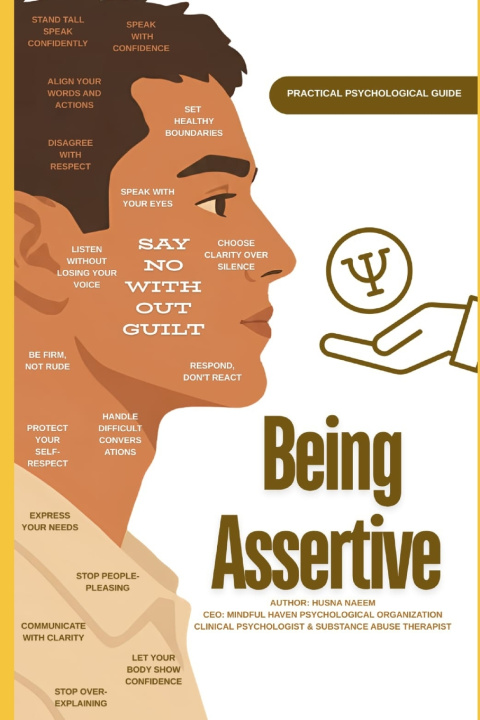
BEING ASSERTIVE
A Practical Psychological Guide to Better Communication, Boundaries & Self-Respect
Speak Clearly. Set Boundaries. Respect Yourself.
Do you struggle to say no, express your opinions, communicate your needs, or stand up for yourself without feeling guilty? Do you sometimes remain silent to avoid conflict, agree with others when you want to disagree, or find it difficult to express yourself confidently?
Being assertive is not about being aggressive, controlling others, or always getting your way. It is about communicating with clarity, confidence, and respect while recognizing your own needs and the rights of others.
Being Assertive: A Practical Psychological Guide to Better Communication, Boundaries & Self-Respect is a practical guide designed to help you understand assertive communication and apply it in everyday situations. It focuses on the verbal and nonverbal skills that influence how you express yourself, respond to others, and maintain healthy interpersonal relationships.
What You'll Learn InsideUnderstanding Assertiveness: Recognize the difference between passive, aggressive, and assertive communication.
Confident Body Language: Understand how posture, facial expressions, gestures, and eye contact influence communication.
Voice and Verbal Expression: Learn how voice tone, volume, pace, and word choice can help you communicate more effectively.
Saying No Without Unnecessary Guilt: Express your decisions respectfully without overexplaining or feeling pressured to please everyone.
Setting Healthy Boundaries: Communicate what is acceptable to you and respond when your boundaries are challenged.
Expressing Needs and Opinions: Share your thoughts, feelings, and preferences clearly and respectfully.
Handling Difficult Conversations: Disagree without unnecessary confrontation and respond more effectively to criticism.
Assertiveness in Everyday Relationships: Apply communication skills in family relationships, romantic relationships, friendships, and the workplace.
Managing Emotional Reactions: Recognize emotional tension before responding and choose a more constructive way to communicate.
Practical Communication Techniques: Explore useful approaches and real-life communication scripts that can help you put assertiveness into practice.
This guide is suitable for individuals who want to communicate more confidently, strengthen their boundaries, reduce people-pleasing patterns, and develop healthier interpersonal relationships. It may also be useful for students, working professionals, and readers interested in personal development and psychological approaches to communication.
Psychology students and mental health professionals may find it a useful supplementary resource for discussing assertive communication skills and interpersonal boundaries.
Build a Healthier Way to CommunicateYou do not have to choose between staying silent and becoming confrontational. You can learn to express yourself firmly without disrespecting others, protect your boundaries without unnecessary hostility, and communicate your needs without dismissing someone else's feelings.
Start building the skills to speak clearly, set boundaries, and respect yourself.
Your voice matters. Learn to use it with confidence and respect.


O knjigi
Angleščina

Podarite to knjigo še danes
To je povsem preprosto
1 Dodajte knjigo v košarico in izberite dostavo kot darilo 2 V zameno vam bomo poslali kupon 3 Knjiga bo dostavljena na naslov obdarovancaPozdravljeni! Sem Libroamiko, vaš knjižni svetovalec.
Kako vam lahko pomagam?