
 Kontakt
 Kako nakupovati
Dostava
Svetovalec pri nakupu
Before Imagination
 Angleščina
 192 b
192 b
Do 30 dni za vračilo

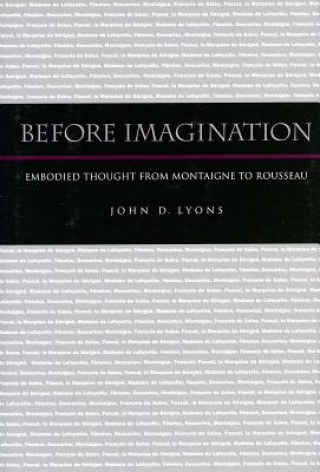
Before imagination became the transcendent and creative faculty promoted by the Romantics, it was something quite different. Not reserved for a privileged few, imagination was instead considered a universal ability that each person could direct in practical ways. To imagine something meant to form in the mind a replica of a thing - its taste, its sound, and other physical attributes. At the end of the Renaissance, there was a movement to encourage individuals to develop their ability to imagine vividly. Within their private mental space, a space of embodied, sensual thought, they could meditate, pray, or philosophize. Gradually, confidence in the self-directed imagination fell out of favor and was replaced by the belief that the few - an elite of writers and teachers - should control the imagination of the many. This book seeks to understand what imagination meant in early modern Europe, particularly in early modern France, before the Romantic era gave the term its modern meaning. The author explores the themes surrounding early modern notions of imagination (including hostility to imagination) through the writings of such figures as Descartes, Montaigne, Francois de Sales, Pascal, the Marquise de Sevigne, Madame de Lafayette, and Fenelon.


O knjigi
Angleščina

Podarite to knjigo še danes
To je povsem preprosto
1 Dodajte knjigo v košarico in izberite dostavo kot darilo 2 V zameno vam bomo poslali kupon 3 Knjiga bo dostavljena na naslov obdarovancaPozdravljeni! Sem Libroamiko, vaš knjižni svetovalec.
Kako vam lahko pomagam?