
 Kontakt
 Kako nakupovati
Dostava
Svetovalec pri nakupu
 Angleščina
 34 b
34 b
Do 30 dni za vračilo

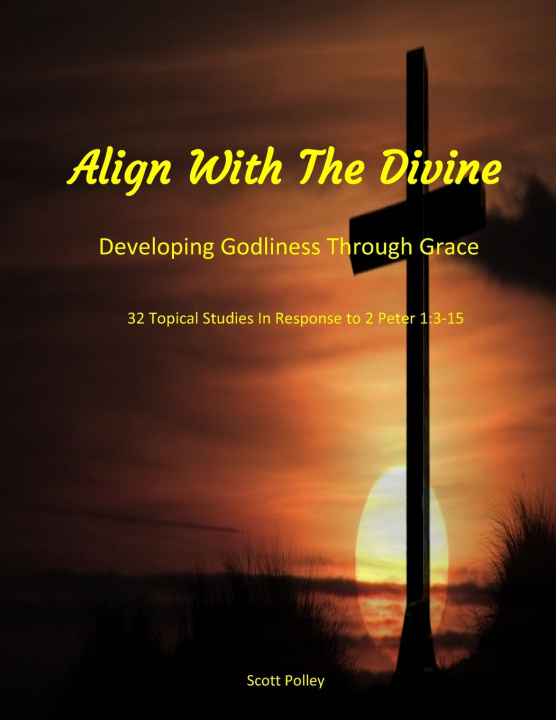
Introduction to the Study of Godliness: In Response to 2 Peter 1:3-15
Godliness stands as a central virtue in the Christian faith, deeply rooted in the teachings of the New Testament. As outlined in 2 Peter 1:3-15, the concept of godliness is not merely an abstract ideal but a practical pursuit that encompasses various aspects of a believer's life. This passage provides a comprehensive framework for understanding how godliness manifests in the believer's journey, emphasizing its foundational importance in living a life that reflects divine character and purpose.
In 2 Peter 1:3-4, the apostle Peter underscores that divine power has granted believers everything necessary for life and godliness. This assertion highlights that godliness is not achieved through human effort alone but through the transformative power of God's grace. Peter emphasizes that the foundation of godliness is rooted in the divine promises and the call to partake in the divine nature. This perspective shifts the focus from mere religious observance to a dynamic relationship with God that shapes our character and conduct.
The passage further elaborates on the practical outworking of godliness in verses 5-7, where Peter instructs believers to supplement their faith with virtues such as virtue (goodness), knowledge, self-control, perseverance, godliness, brotherly kindness, and love. This progression illustrates that godliness is not an isolated attribute but a culmination of a series of virtues that collectively define a godly life. Each virtue builds upon the previous one, creating a comprehensive model of Christian living that reflects spiritual maturity and integrity.
In verses 8-9, Peter connects godliness with spiritual fruitfulness. He argues that possessing these qualities in increasing measure ensures that believers will be effective and productive in their knowledge of Jesus Christ. Conversely, lacking these qualities signifies spiritual blindness and a failure to grasp the profound implications of the gospel. This association underscores the importance of godliness not only as a personal virtue but also as a practical expression of one's relationship with Christ.
Peter's emphasis on godliness is further reinforced in verses 10-11, where he calls believers to make every effort to confirm their calling and election. By doing so, they will secure a rich welcome into the eternal kingdom of our Lord and Savior Jesus Christ. This promise underscores the eternal significance of living a godly life, highlighting that the pursuit of godliness has profound implications for both present and future aspects of a believer's journey.
In verses 12-15, Peter concludes by affirming his commitment to remind believers of these qualities as long as he lives. He acknowledges the importance of remembering and practicing godliness in light of the impending departure from this earthly life. This personal commitment to teaching and reinforcing godliness reflects the urgency and seriousness with which Peter views this virtue.
In summary, 2 Peter 1:3-15 offers a profound and practical guide for understanding and pursuing godliness. By exploring this passage, believers can gain insights into the transformative power of divine grace, the integration of godliness with other virtues, and the eternal significance of living a life that reflects the character of Christ. This study will provide a deeper appreciation of how godliness shapes our spiritual journey and prepares us for a fruitful and enduring relationship with God.


O knjigi
Angleščina
Kategorije

Podarite to knjigo še danes
To je povsem preprosto
1 Dodajte knjigo v košarico in izberite dostavo kot darilo 2 V zameno vam bomo poslali kupon 3 Knjiga bo dostavljena na naslov obdarovancaPozdravljeni! Sem Libroamiko, vaš knjižni svetovalec.
Kako vam lahko pomagam?