
 Kontakt
 Kako nakupovati
Dostava
Svetovalec pri nakupu
 Angleščina
 134 b
134 b
Morda bi vas zanimalo tudi
 /
/
 Adobe ePub DRM
 21.81
€
21.81
€

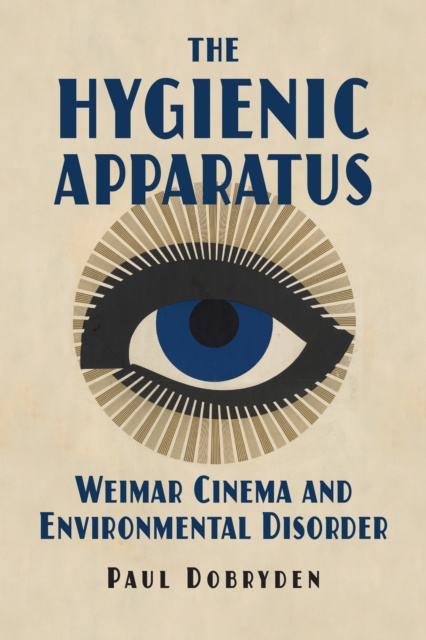
This study traces how the environmental effects of industrialization reverberated through the cinema of Germany's Weimar Republic. In the early twentieth century, hygiene encompassed the myriad attempts to create healthy spaces for life and work amid the pollution, disease, accidents, and noise of industrial modernity. Examining classic films-including The Last Laugh, Faust, and Kuhle Wampe-as well as documentaries, cinema architecture, and studio practices, Paul Dobryden demonstrates how cinema envisioned and interrogated hygienic concerns about environmental disorder. Framing hygiene within the project of national reconstruction after World War I, The Hygienic Apparatus explores cinema's material contexts alongside its representations of housework, urban space, traffic, pollution, disability, aging, and labor. Reformers worried about the health risks associated with moviegoing but later used film to popularize hygienic ideas, encouraging viewers to see the world and themselves in relation to public health objectives. Modernist architecture and design fashioned theaters into regenerative environments for fatigued spectators. Filmmakers like F. W. Murnau and Slatan Dudow, meanwhile, explored the aesthetic and political possibilities of dirt, contagion, intoxication, and disorder. Dobryden recovers a set of ecological and biopolitical concerns to show how the problem of environmental disorder fundamentally shaped cinema's relationship to modernity. As accessible as it is persuasive, the book adds to a growing body of scholarship on biopolitics within German studies and reveals fresh ways of understanding the apparatus of Weimar cinema.


O knjigi
Angleščina
Kategorije

Podarite to knjigo še danes
To je povsem preprosto
1 Dodajte knjigo v košarico in izberite dostavo kot darilo 2 V zameno vam bomo poslali kupon 3 Knjiga bo dostavljena na naslov obdarovancaPozdravljeni! Sem Libroamiko, vaš knjižni svetovalec.
Kako vam lahko pomagam?