
 Kontakt
 Kako nakupovati
Dostava
Svetovalec pri nakupu
 Angleščina
 88 b
88 b

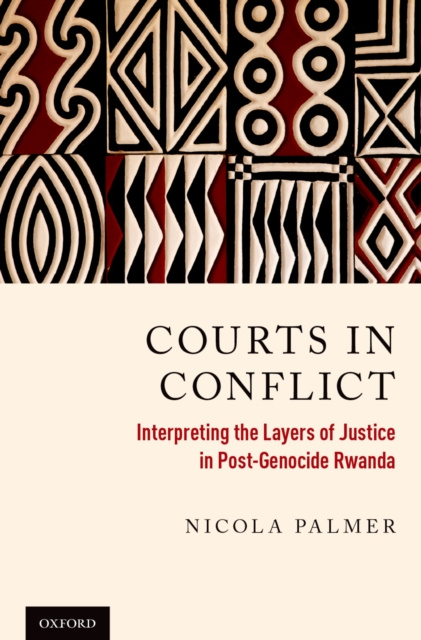
The rise of international criminal trials has been accompanied by a call for domestic responses to extraordinary violence. Yet there is remarkably limited research on the interactions among local, national, and international transitional justice institutions. Rwanda offers an early example of multi-level courts operating in concert, through the concurrent practice of the United Nations International Criminal Tribunal for Rwanda (ICTR), the national Rwandan courts, and the gacaca community courts. Courts in Conflict makes a crucial and timely contribution to the examination of these pluralist responses to atrocity at a juncture when holistic approaches are rapidly becoming the policy norm. Although Rwanda's post-genocide criminal courts are compatible in law, an interpretive cultural analysis shows how and why they have often conflicted in practice. The author's research is derived from 182 interviews with judges, lawyers, and a group of witnesses and suspects within all three of the post-genocide courts. This rich empirical material shows that the judges and lawyers inside each of the courts offer notably different interpretations of Rwanda's transitional justice processes, illuminating divergent legal cultures that help explain the constraints on the courts' effective cooperation and evidence gathering. The potential for similar competition between domestic and international justice processes is apparent in the current practice of the International Criminal Court (ICC). However, this competition can be mitigated through increased communication among the different sites of justice, fostering legal cultures of complementarity that can more effectively respond to the needs of affected populations.


O knjigi
Angleščina

Podarite to knjigo še danes
To je povsem preprosto
1 Dodajte knjigo v košarico in izberite dostavo kot darilo 2 V zameno vam bomo poslali kupon 3 Knjiga bo dostavljena na naslov obdarovancaPozdravljeni! Sem Libroamiko, vaš knjižni svetovalec.
Kako vam lahko pomagam?